Hardware Gallery

1950s

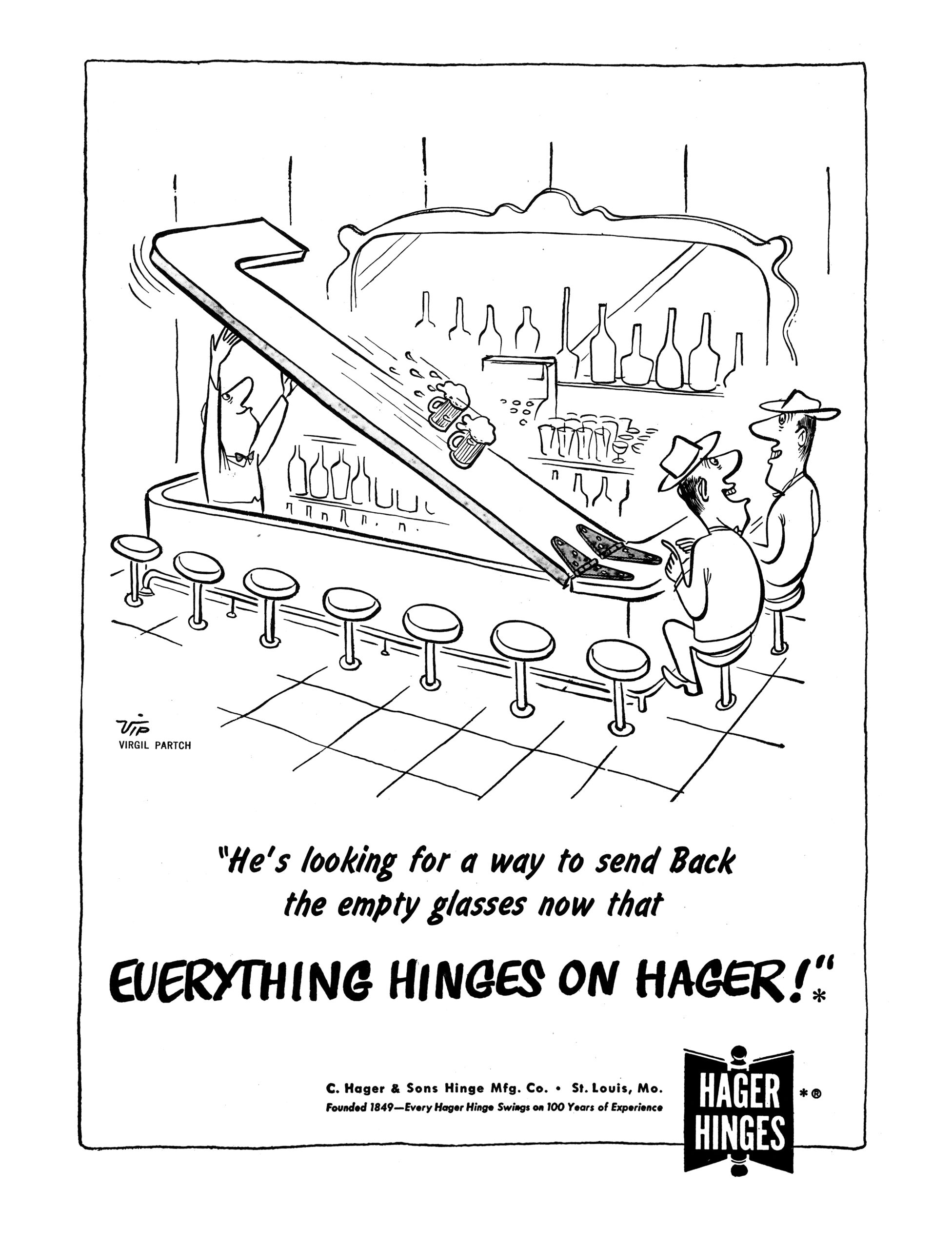
Everything Hinges on Hager!” Cartoon

The marketing campaign of the “Everything Hinges on Hager!” Cartoons is one of the most famous and fond remembered in all of door hardware history. They all depict a Hager hinge being used in unorthodox ways accompanied by the tagline: “Everything Hinges on Hager!”

Submitted by:

Sonny Hager
Hager Companies
1947

An advertisement for Hager Hinges

An advertisement for Hager Hinges in “Hardware Retailer” Magazine

Submitted by:

Sonny Hager
Hager Companies
1925

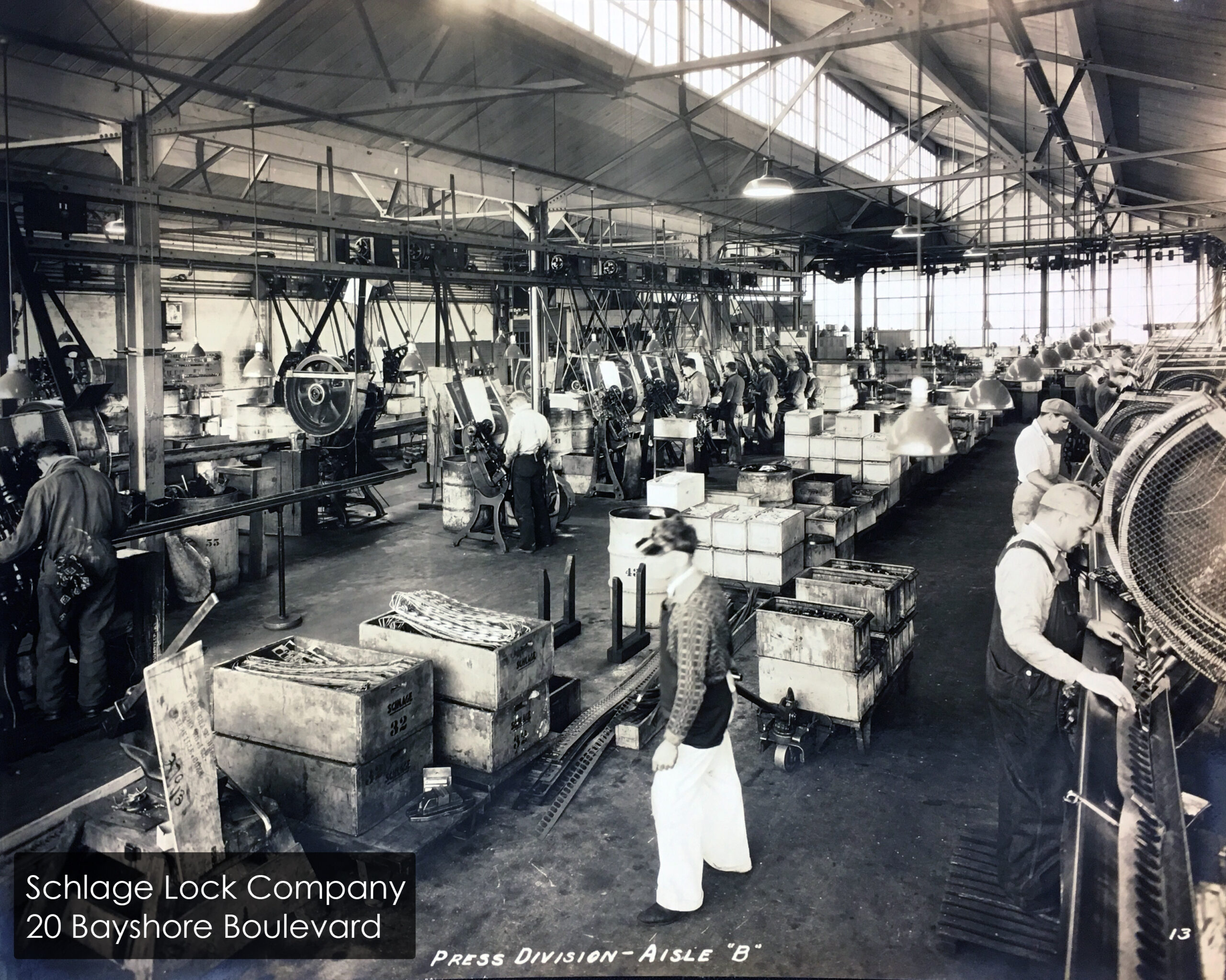
Schlage Factory Photo 1925

Photo of Schlage factory interior, San Francisco, 1925

Submitted by:

Peter Wilson and Tim Weller
Allegion
1980s-1990s

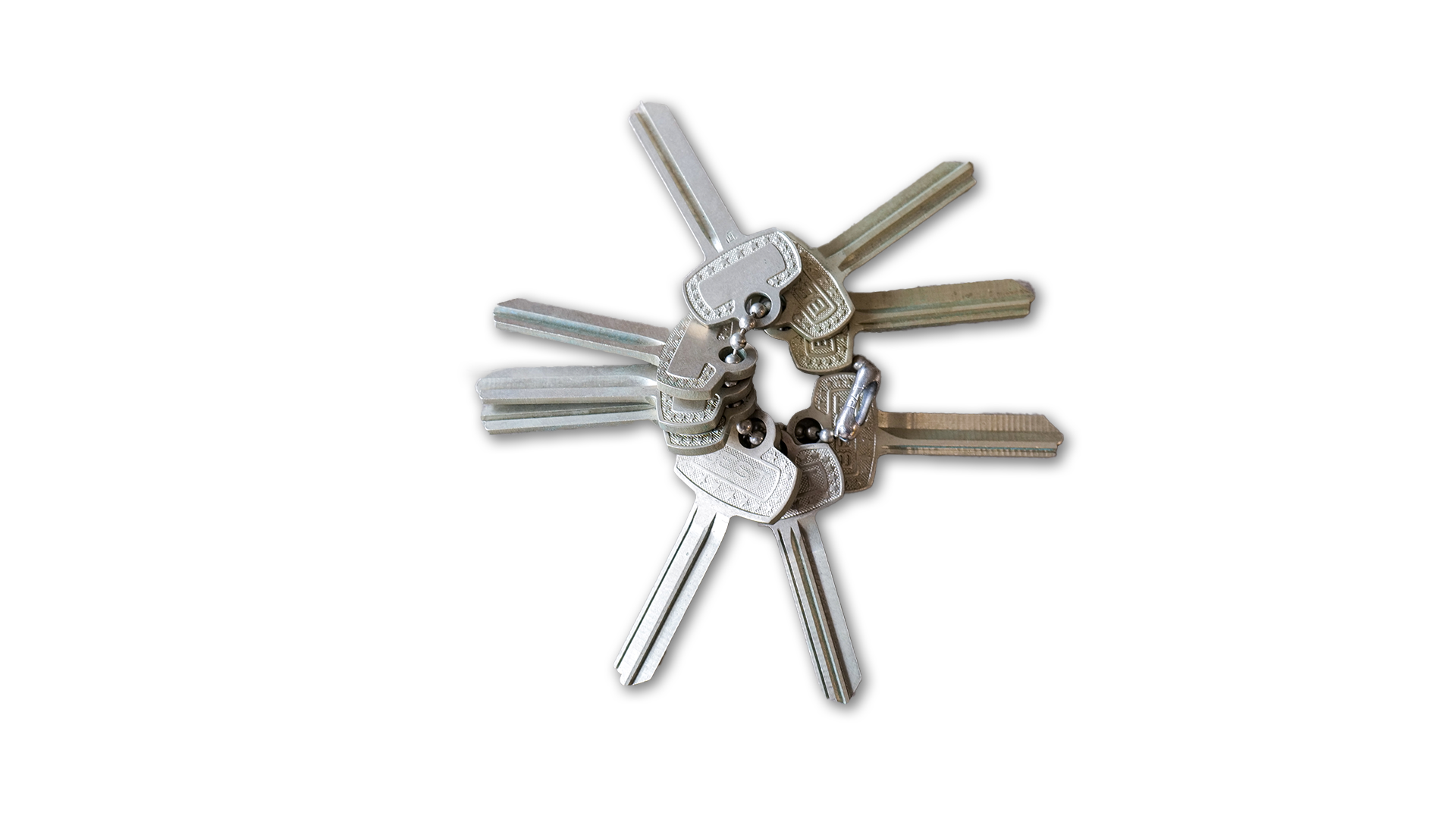
BEST Interchangeable Core Control Keys

This set of BEST keys demonstrates the specialized keying system behind the brand’s patented interchangeable core (IC) technology. The control keys shown are used to insert and remove IC cores from compatible lock bodies. The IC system, originally introduced in 4- and 5-pin versions, has evolved over time to accommodate additional master keying options and varying lock housings. A hallmark of BEST’s modular access control approach, this innovation helped set a benchmark for key management and flexibility in the locking industry.

Submitted by:

Ashley Shuler
dormakaba
2017-Present

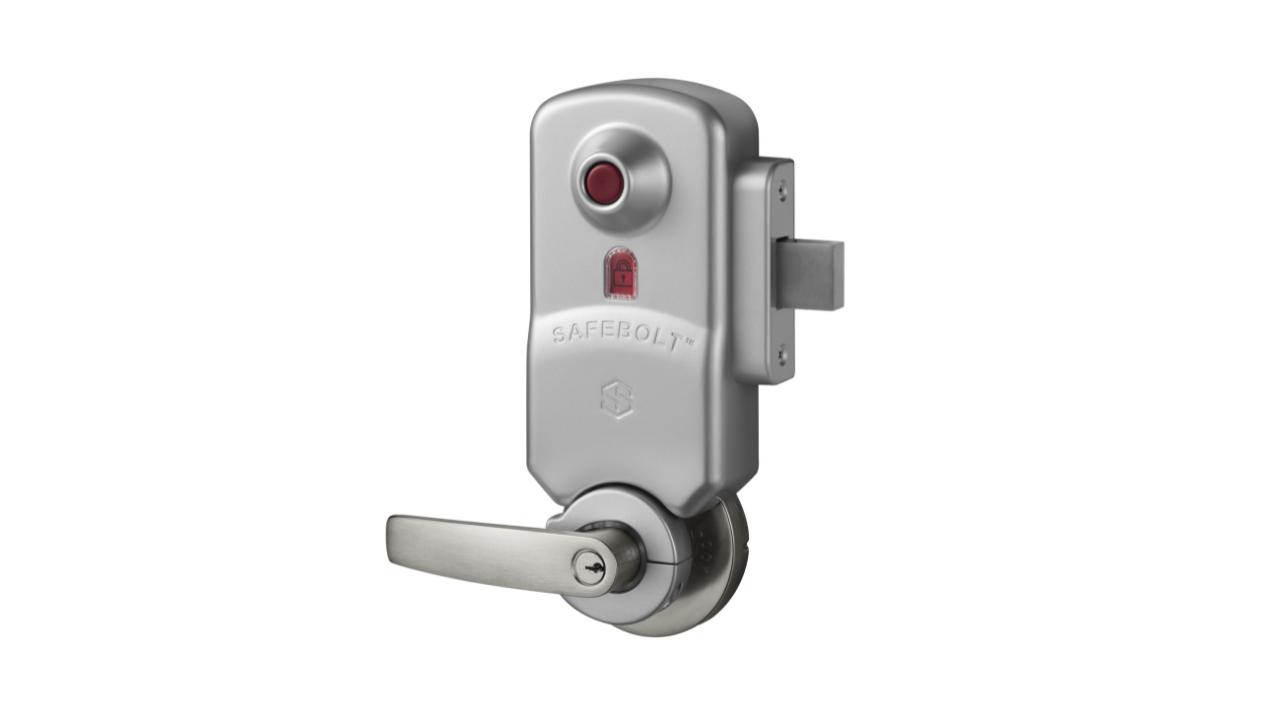
Safebolt

Securitech’s SAFEBOLT revolutionized classroom security as the first retrofitting, code-compliant red button barricade lock designed for fast, easy lockdowns during emergencies. Its intuitive one-motion deadbolt activation allows anyone, students or staff, to instantly secure a door without keys or special training. This innovation set a new standard for safety in educational environments, influencing national conversations around active shooter preparedness and classroom security solutions.

Submitted by:

Securitech
ASSA ABLOY Opening Solutions
1982

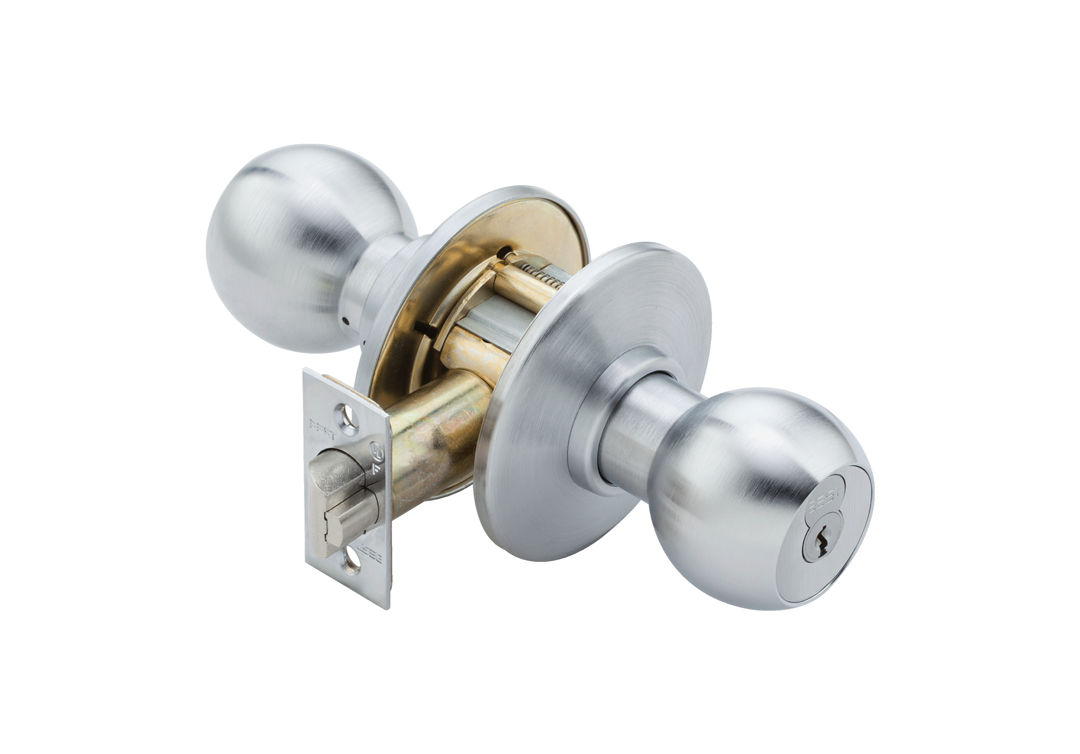
BEST 8K

The BEST 8K lock, introduced in 1982, was the company’s first in-house designed cylindrical lock, developed under the leadership of Walter Best. The 8K lock helped shape modern expectations for security and durability in cylindrical locking hardware and contributed to standards that would later influence BHMA performance benchmarks. Its introduction laid the groundwork for the evolution of the now-iconic BEST 9K series.

Submitted by:

Ashley Shuler
dormakaba
1930’s

BEST 4T

The BEST 4T, introduced in the 1930s, was an early example of heavy-duty auxiliary locking hardware that, by today’s standards, would be classified as a deadbolt. At the time, however, it was marketed as a mortise lock and was commonly used in commercial and institutional settings for added security. A “night latch” version featured a turn knob on one side, offering convenience alongside robust protection. The 4T reflects BEST’s early innovation in lock design and helped lay the groundwork for security expectations that would later be formalized in BHMA standards.

Submitted by:

Ashley Shuler
dormakaba
1960’s

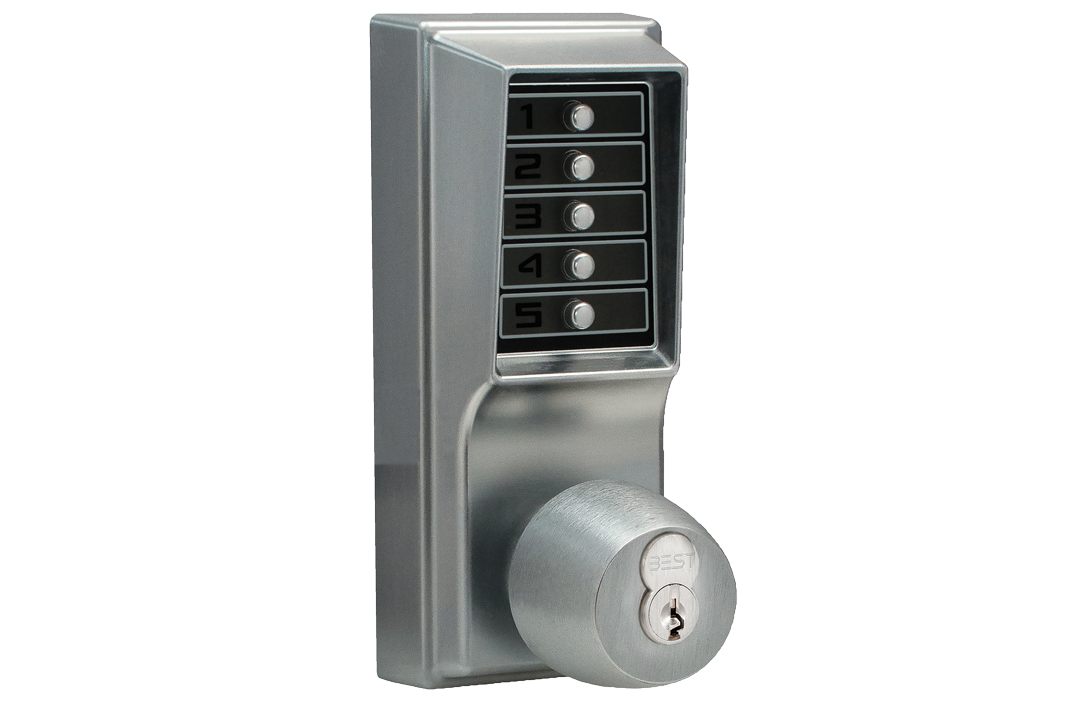
dormakaba Simplex 1000

Introduced in 1964, the dormakaba Simplex 1000 was one of the first mechanical push-button locks to offer keyless access control. Its five-button design provides over 1,000 possible combinations without the need for batteries or wiring, making it ideal for remote and high-security environments. The Simplex 1000 set a new benchmark for mechanical access solutions and helped shape ANSI/BHMA Grade 1 standards for durability and performance. Its continued use today reflects its lasting impact on the industry and the evolution of secure, non-electronic entry systems.

Submitted by:

Ashley Shuler
dormakaba
1970’s

Exit lock

The BEST exit lock shown is an older-style, heavy-duty exit device with integrated trim, designed for use on commercial doors requiring secure egress. It features a horizontal push bar mechanism and a robust external lever, commonly used in schools, offices, and institutional settings. Its durable construction reflects BEST’s legacy in high-security hardware, and while this model is no longer in production, its design set the foundation for modern panic and exit devices.

Submitted by:

Ashley Shuler
dormakaba